
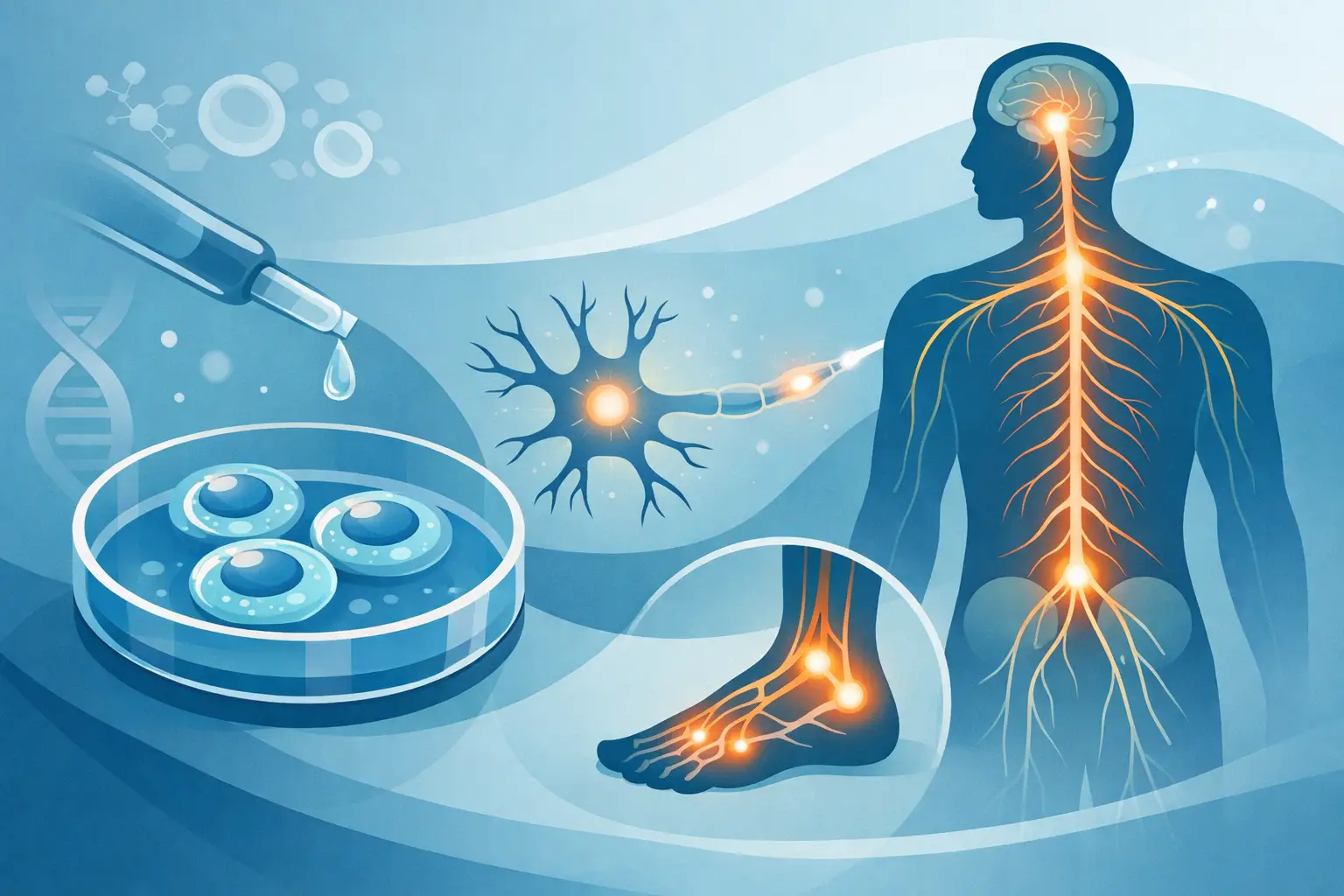
Burning feet at night. Pins-and-needles that make a walk feel different. Numbness that turns small daily tasks into a calculation. For people living with nerve symptoms, stem cell therapy for neuropathy pain has become a serious point of interest because conventional options often focus on symptom management rather than the bigger question: how can you better support function, recovery, and quality of life?
The answer is not a one-size-fits-all protocol, and no responsible provider should present it that way. Neuropathy has multiple causes, stem cell programs vary widely, and individual health history matters. Still, regenerative medicine is creating a new conversation for wellness-minded adults who want to explore advanced options with a clear understanding of both the potential and the limits.
Why Neuropathy Pain Requires a Bigger Wellness Conversation
Neuropathy describes damage or dysfunction involving the peripheral nerves, the network that carries messages between the brain, spinal cord, and the rest of the body. Symptoms can include tingling, burning, sharp pain, numbness, weakness, sensitivity to touch, or balance changes. They may begin in the feet and hands, but the experience is highly individual.
Diabetes and metabolic dysfunction are common contributors, but they are far from the only ones. Nerve symptoms may also be associated with injury, autoimmune conditions, medication effects, alcohol use, vitamin deficiencies, infections, vascular issues, or causes that remain unclear after evaluation. That range is exactly why a wellness plan should begin with context, not a generic promise.
Traditional care can be valuable. A clinician may investigate the cause, manage blood sugar, address nutrient deficiencies, recommend physical therapy, or use medications aimed at pain relief. Yet many people still want more support for mobility, sleep, training consistency, and the ability to stay active. That is where the interest in regenerative wellness enters the picture.
What Stem Cell Therapy for Neuropathy Pain Means
Mesenchymal stem cells, often called MSCs, are being studied for how they communicate with surrounding tissues. Rather than thinking of them as a simple replacement part for damaged nerves, it is more accurate to focus on their signaling activity. Researchers are examining how MSCs may influence inflammation, immune activity, blood-vessel support, and the repair environment around injured tissue.
This is meaningful because neuropathy is rarely just a pain issue. Nerve health can be influenced by inflammation, circulation, metabolic health, mechanical stress, and the underlying condition that started the problem. A regenerative approach is designed around supporting the broader biological environment, not merely turning down a symptom signal.
That said, “being studied” is not the same as “proven to cure.” Stem cell therapy is not a guaranteed fix for peripheral neuropathy, and results can differ substantially from one person to another. A credible conversation should make room for that reality while still taking the potential of regenerative science seriously.
For some people, the goal may be reduced discomfort and improved daily tolerance. For others, it may be better recovery capacity, more confidence with movement, or a more complete wellness strategy alongside physician-directed care. Defining the goal before considering any intervention keeps expectations grounded.
Why Cell Source and Clinical Process Matter
Not all stem cell products, protocols, or treatment settings are equivalent. When people hear “stem cells,” they may assume every option offers the same quality, safety standards, or clinical rationale. They do not.
Questions around sourcing, handling, screening, dosing approach, administration route, and clinician oversight matter. So does transparency about what is being offered and what evidence supports its intended use. Premium positioning should be supported by a process that respects informed decision-making, not by oversized claims.
A consultation is also the right place to discuss whether an individual’s neuropathy has been properly evaluated. If symptoms are new, rapidly progressing, one-sided, accompanied by significant weakness, or affecting bladder or bowel control, prompt medical assessment is essential. Advanced wellness options should never delay care for potentially urgent medical issues.
The Trade-Off: Innovation Needs Clear Expectations
Regenerative medicine moves fast, which is part of its appeal. It also means consumers need to separate scientific possibility from marketing noise. The strongest question is not, “Will this work for everyone?” It is, “Is this approach appropriate for my condition, goals, risk profile, and current care plan?”
There are practical trade-offs to weigh. Stem cell programs can require travel, time, and meaningful financial commitment. Insurance coverage may be limited or unavailable depending on the setting and indication. Outcomes may take time to evaluate, and improvements, if they occur, may be gradual rather than dramatic.
There is also a regulatory distinction worth understanding. In the United States, many stem cell interventions marketed for wellness or regenerative purposes are not FDA-approved treatments for neuropathy. FDA approval status, product sourcing, and the qualifications of the treating team are fair questions to bring into any consultation. Transparency is not a barrier to innovation. It is the standard that makes innovation worth considering.
Building a Smarter Neuropathy Wellness Strategy
Cell therapy should be viewed as one possible component of a broader plan, not a permission slip to ignore the factors that affect nerve health every day. The best outcomes-oriented approach often combines advanced options with practical foundations.
Metabolic health deserves attention, especially for people with diabetes, prediabetes, or insulin resistance. Stable glucose management can be central to slowing further nerve stress. Nutrition also matters. Adequate protein, micronutrient status, hydration, and a clinician-guided review of B vitamins can all be relevant, particularly because both deficiency and excess of certain nutrients can affect nerves.
Movement is another major lever, but the right dose depends on symptoms. Low-impact conditioning, strength work, mobility training, and balance practice may help preserve function without adding unnecessary stress. For someone with reduced sensation in the feet, foot checks, supportive footwear, and fall-prevention habits can be just as important as the workout itself.
Sleep and stress are not side notes. Poor sleep can intensify pain perception and reduce recovery capacity. Chronic stress can make it harder to maintain the routines that support metabolic health and physical activity. A serious wellness plan looks at those inputs because nerve symptoms do not exist in isolation from the rest of the body.
Questions That Make a Consultation More Valuable
A good consultation should feel specific to you. Come prepared to discuss when symptoms began, what they feel like, where they occur, whether they are changing, and what testing or treatments you have already tried. Bring information about diagnoses, medications, supplements, previous injuries, and major health goals.
It is reasonable to ask how the provider determines candidacy, what type of cells are used, how the product is sourced and screened, what the administration process involves, and what follow-up looks like. Ask what outcomes are realistic for someone with your underlying condition and what signs would indicate that you need conventional medical evaluation or a different treatment pathway.
You should also ask about risks. Every medical or wellness intervention has considerations, and a trustworthy team will discuss them in plain language. The goal is not to eliminate every uncertainty. It is to make a decision with your eyes open.
At Stem Cells and Peptides, the focus is on starting with that informed conversation. The right next step is not a rushed transaction. It is a consultation that connects your neuropathy history, wellness priorities, and questions to a clearer path forward.
Neuropathy can make life feel smaller when every step, workout, or night of sleep comes with uncertainty. Exploring regenerative options may be worth considering, but the strongest move is to pair curiosity with careful screening, realistic expectations, and a plan built around the way you want to live.
Leave a Reply
You must be logged in to post a comment.