
A lot of skin treatments promise a brighter look by Friday. That is not what makes mesenchymal stem cells for skin rejuvenation so compelling. The real appeal is deeper – people are looking for options that may support repair, tissue quality, and visible skin health from the inside out, not just cover up fatigue with another topical or quick-fix procedure.
That shift matters if you care about longevity, recovery, and appearance as part of the same bigger picture. Skin is not separate from the rest of your biology. It reflects inflammation, stress load, collagen breakdown, circulation, sleep quality, and how well your body handles repair. When people start looking at regenerative options, they are usually not chasing one perfect selfie. They want skin that looks stronger, calmer, firmer, and more resilient over time.
Why mesenchymal stem cells for skin rejuvenation get so much attention
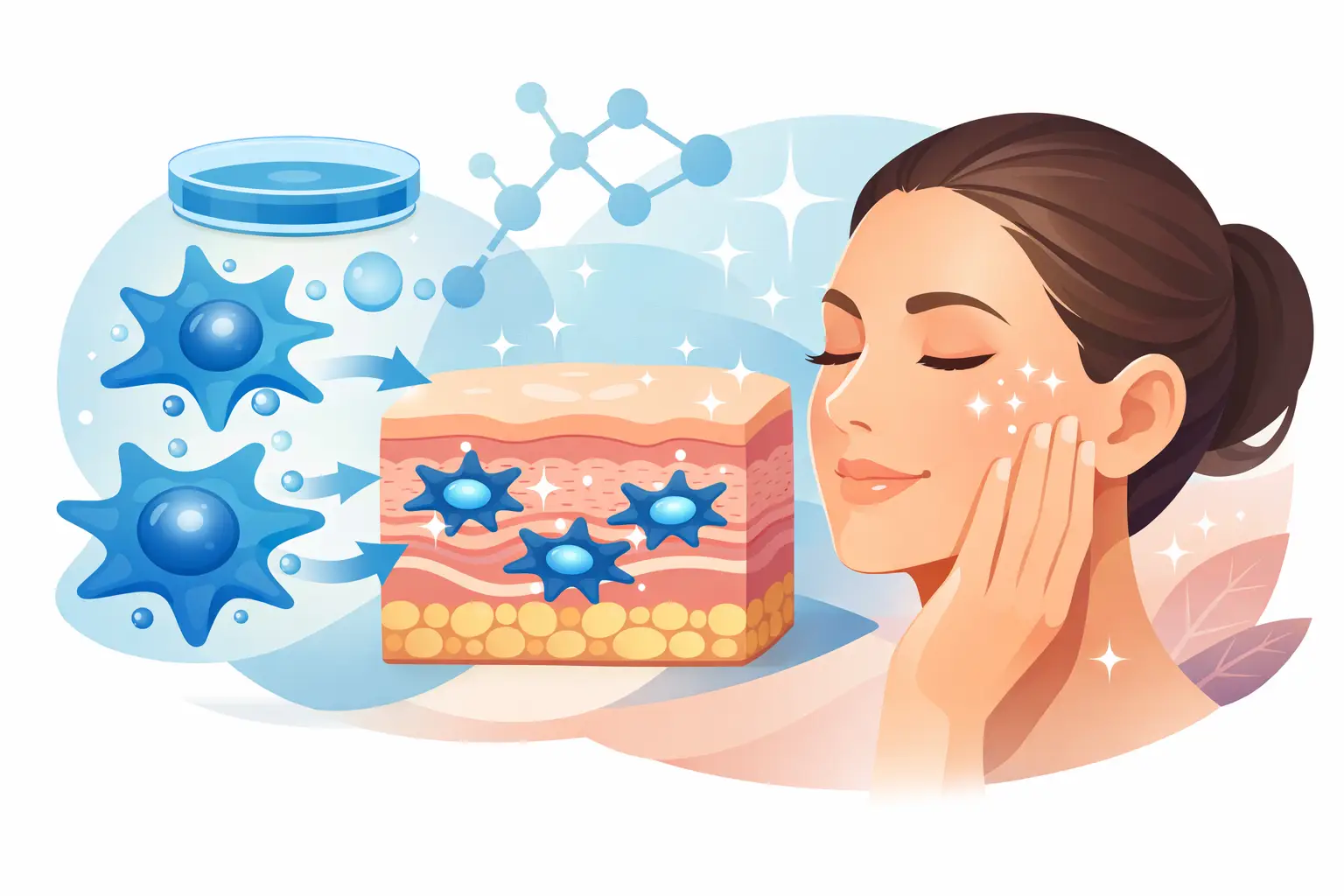
Mesenchymal stem cells, often called MSCs, are being studied because of how they communicate with surrounding tissues. They are not magic replacement parts. What makes them interesting is their signaling activity and their potential role in supporting repair processes, modulating inflammation, and influencing the local environment in ways that may help skin function better.
In skin-focused conversations, that usually comes back to a few familiar goals – collagen support, improved texture, better elasticity, and a more rested appearance. Aging skin tends to thin, lose structural proteins, and recover more slowly from everyday stress. Sun exposure, pollution, metabolic stress, and simple time all add up. The idea behind MSC-based approaches is that they may help create conditions that favor regeneration rather than just temporary surface improvement.
This is also why the topic attracts both aesthetics-minded clients and serious health optimizers. If your framework is biohacking, performance, and long-game wellness, skin becomes another output of system-wide repair. That makes regenerative strategies a natural area of interest.
 https://stemcellspluspeptides.com/recovering-from-heart-failure-using-stem-cells-and-peptides/ Book a call for aesthetic stem cell treatments.
What MSCs may actually do in the skin
The most useful way to think about MSCs is not as a cosmetic shortcut, but as a regenerative signal. Research has explored whether mesenchymal stem cells and the factors they release may help support fibroblast activity, collagen production, wound healing pathways, and inflammatory balance in skin tissue.
That matters because fibroblasts are central players in skin quality. They help produce collagen and other matrix components that keep skin firm and structured. When those systems slow down, the skin can start to look crepey, dull, or lax. If regenerative signaling can help encourage a healthier skin environment, the result may be skin that looks smoother and behaves younger.
There is also interest in how these cells may support recovery after skin stress. That includes stress from environmental damage and, in some settings, from aesthetic procedures that intentionally create controlled injury to stimulate renewal. In those cases, the goal is not just appearance. It is how efficiently the tissue recalibrates and heals.
Still, expectations need to stay grounded. Results can vary based on age, baseline skin condition, systemic inflammation, lifestyle, and the specific treatment context. Someone with mild early signs of aging may notice different changes than someone dealing with significant sun damage, thinning skin, or more advanced laxity.
Where this fits compared with standard skin treatments
Traditional skin rejuvenation usually falls into a few buckets. Topicals can help with pigment, hydration, and mild texture. Injectables can soften lines or restore volume. Energy devices and resurfacing treatments can improve tone and collagen remodeling. Those tools all have a place. But most of them are focused on either the surface or a very specific cosmetic target.
Mesenchymal stem cells for skin rejuvenation appeal to people who want a more biologically focused strategy. Instead of asking only how to fill, freeze, peel, or polish the skin, the question becomes how to support better tissue behavior. That difference is exactly why regenerative medicine has built so much momentum.
That said, this is not an either-or decision. For many people, regenerative approaches make the most sense as part of a broader skin optimization plan. It depends on your goals. If you want immediate line-softening before an event, that is one path. If you are looking at skin health over the next three to five years, regenerative strategies may be a more interesting conversation.
The benefits people are usually hoping for
Most people exploring MSC-based skin support are looking for a combination of cosmetic and wellness-driven outcomes. They want skin that appears firmer, more even, and less reactive. They may also be interested in whether regenerative support can help with post-procedure recovery, visible signs of inflammation, or the general loss of vitality that shows up with age.
Potential benefits often discussed in this space include improved skin texture, support for elasticity, a healthier-looking tone, and better overall tissue quality. Some people are particularly drawn to the possibility of supporting collagen in a more natural-looking way. They do not want to look altered. They want to look like they have stronger skin.
That distinction is important. The modern aesthetics market is moving away from obvious intervention and toward high-functioning tissue. People still want to look refreshed, but they increasingly want results that read as vitality rather than overcorrection.
The limits and trade-offs you should know
This is where hype can get ahead of reality. Regenerative medicine is exciting, but not every claim in the market is equally credible. Terms like stem cell facial or exosome glow treatment can get used loosely, and consumers often assume all regenerative products and protocols are the same. They are not.
The source, handling, treatment design, and clinical oversight all matter. So does your own biology. If your sleep is poor, your stress is high, your nutrition is weak, and your skin is under constant inflammatory pressure, no advanced therapy is going to fully outrun that. Regenerative support works best when it is part of a bigger strategy.
There is also the timeline issue. Surface-level aesthetic treatments may show faster visible change. Regenerative approaches may be more gradual, and that can frustrate people who expect instant transformation. Better tissue quality is often a slower build. For the right person, that is worth it. For someone looking for an immediate cosmetic event result, maybe not.
What to ask before moving forward
If you are seriously considering mesenchymal stem cells for skin rejuvenation, the quality of the consultation matters as much as the treatment itself. You want clarity on goals, candidacy, protocol logic, expected timeline, and how the approach fits with your broader wellness or aesthetic plan.
Ask what the treatment is intended to improve. Ask how success is evaluated. Ask what kind of changes are realistic in your age group and skin condition. Ask whether this is best as a standalone approach or in combination with other modalities. A strong provider conversation should feel specific, not scripted.
It also helps to be honest about your motivation. Are you trying to address fine lines, post-inflammatory issues, skin thinning, or overall age-related decline in skin quality? Those are different goals, and they may not all respond the same way. Precision beats trend-chasing every time.
For people already active in performance health, peptides, recovery protocols, and longevity routines, this kind of consultation often feels like the next logical step. It is less about buying a beauty treatment and more about building a smarter tissue-health strategy.
Why the regenerative conversation is getting bigger
The reason this category keeps growing is simple. People are no longer satisfied with skincare that only works at the surface. They are asking harder questions about repair, inflammation, resilience, and biological age. That is good news, because it pushes the conversation beyond marketing and into function.
The most forward-looking wellness consumers do not separate how they look from how they recover. They understand that visible aging is tied to deeper processes. That is exactly why regenerative options continue to earn attention. At their best, they speak to the same mindset driving interest in advanced recovery, longevity medicine, and precision wellness.
At Stem Cells and Peptides, that is the lens that matters most – not chasing noise, but helping people evaluate advanced options with a clear view of what may actually move the needle.
If your skin goals are starting to look more like a tissue-health conversation than a beauty-counter conversation, that is probably a sign you are asking the right questions.