
Peptides Explained: What They Are, Why They’re Trending, and 10 Popular Peptides People Research
Peptides are everywhere right now—on podcasts, in longevity circles, in fitness communities, and in research labs. Some people talk about peptides for recovery, others for body composition, skin quality, sleep, or metabolic health. That attention is driven by a mix of real science, fast-moving innovation, and growing public interest in personalized health.
This article breaks down what peptides are, why they’re gaining traction, and 10 peptides that are commonly discussed in health and wellness research. It also includes a practical section on what to look for when choosing a peptide supplier for research purposes.
What Are Peptides?
Peptides are short chains of amino acids—the same building blocks that make up proteins. If proteins are long “sentences,” peptides are shorter “phrases.” In the body, peptides can act as:
- Signaling molecules (telling cells what to do)
- Hormone-like messengers
- Components of immune responses
- Regulators of inflammation, growth, repair, and metabolism
Because peptides can be designed to interact with specific receptors, they’re a major focus in modern biomedical research.
Peptides vs Proteins vs Amino Acids
- Amino acids: single building blocks
- Peptides: short chains of amino acids
- Proteins: long, complex chains that fold into functional structures
Many peptide-based compounds are studied because they may offer targeted effects with relatively predictable mechanisms.
Why Peptides Are Gaining Traction
Peptides are gaining traction for a few big reasons:
1) Targeted signaling and precision
Peptides can be designed to bind to specific receptors. That makes them attractive for research into highly targeted pathways—metabolism, inflammation, tissue repair, and more.
2) Growth in metabolic and weight-loss research
The rise of incretin-based therapies (like GLP-1–related compounds) has brought massive attention to peptide-like signaling and appetite regulation. Even when a product isn’t technically a peptide medication, the public conversation often uses “peptides” as a broad category for next-gen metabolic tools.
3) Longevity and recovery culture
Biohacking, sports recovery, and longevity communities have popularized peptides as part of a broader trend toward optimizing sleep, performance, and aging.
4) Expanding scientific literature
More published research, more clinical trials, and more biotech investment means peptides are being explored across many conditions and pathways.
5) Customization and stacking
Many people like the idea of tailoring protocols—though it’s important to remember that combining compounds can increase uncertainty and risk.
Top 10 Popular Peptides People Research for Health
Important note: The peptides below are commonly discussed in research and wellness communities, but the strength of evidence varies widely by peptide and by intended use. This is educational content—not medical advice.
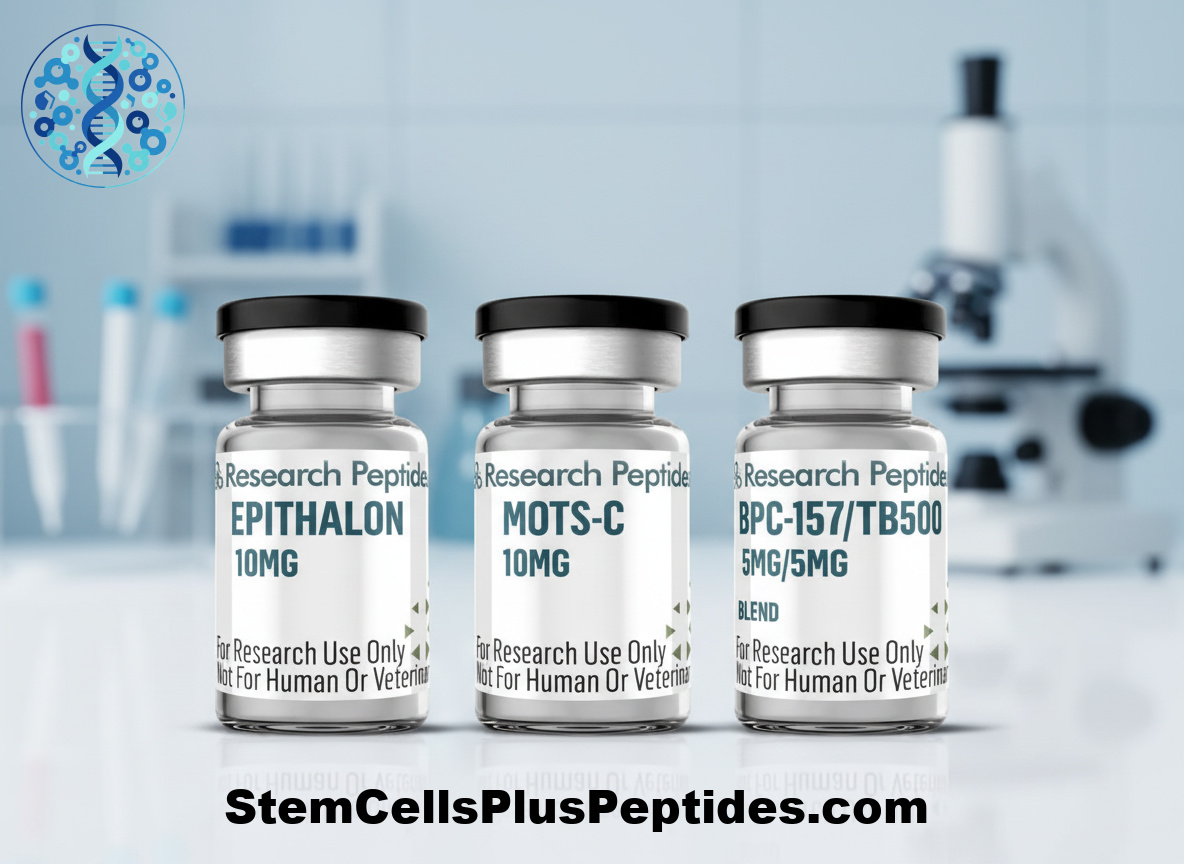
1) BPC-157
Why it’s researched: Often discussed for tissue repair and recovery support.
Common research interests include:
- Tendon and ligament recovery
- Gut-related inflammation pathways
- General injury recovery models
2) TB-500 (Thymosin Beta-4 fragment)
Why it’s researched: Frequently mentioned for recovery, mobility, and tissue repair signaling.
Common research interests include:
- Soft tissue recovery
- Inflammation modulation
- Cell migration and repair signaling
3) GHK-Cu (Copper Peptide)
Why it’s researched: Known in cosmetic and skin research circles.
Common research interests include:
- Skin appearance and texture
- Collagen-related pathways
- Hair and scalp research
4) CJC-1295 (with DAC)
Why it’s researched: Studied for growth hormone–related signaling.
Common research interests include:
- Body composition research
- Recovery and sleep-related pathways
- IGF-1 signaling research (context dependent)
5) Ipamorelin
Why it’s researched: Another compound commonly discussed in growth hormone secretagogue research.
Common research interests include:
- Sleep and recovery pathways
- Body composition research
- GH pulse signaling models
6) Tesamorelin
Why it’s researched: Studied in metabolic contexts.
Common research interests include:
- Visceral fat and metabolic markers
- Body composition research
- IGF-1 pathway monitoring in research settings
7) MOTS-c
Why it’s researched: A mitochondrial-derived peptide studied for metabolic signaling.
Common research interests include:
- Insulin sensitivity pathways
- Metabolic flexibility
- Exercise-related signaling
8) Epithalon (Epitalon)
Why it’s researched: Discussed in longevity circles.
Common research interests include:
- Cellular aging pathways
- Telomere-related research topics (debated and evolving)
- Sleep and circadian rhythm research
9) Selank
Why it’s researched: Often discussed for mood and stress-related pathways.
Common research interests include:
- Anxiety and stress signaling
- Cognitive performance research
- Neuroimmune modulation topics
10) Thymosin Alpha-1
Why it’s researched: Studied for immune-related signaling.
Common research interests include:
- Immune modulation
- Infection-response pathways
- Inflammation and immune balance research
Bonus– Popular Peptides for Weight Loss.
How to Think About “Best” Peptides for Health
The phrase “top peptides for health” is popular, but what’s “best” depends on the goal and the evidence.
A practical way to group peptide research interests is:
- Recovery / repair signaling: BPC-157, TB-500
- Skin / cosmetic research: GHK-Cu
- Metabolic research: Tesamorelin, MOTS-c
- Sleep / stress / cognition: Selank, Epithalon
- Immune research: Thymosin Alpha-1
- GH signaling research: CJC-1295, Ipamorelin
Peptides are not one-size-fits-all and that quality control matters.
Safety and Side Effects (High-Level)
Because peptides vary so much, side effects also vary. However, common concerns discussed in research and clinical contexts include:
- Injection-site irritation (for injectable forms)
- Headaches or fatigue (compound dependent)
- GI symptoms (more common in incretin-related therapies)
- Changes in appetite or sleep
- Water retention or tingling (sometimes discussed with GH-related signaling)
The most responsible approach is to encourage readers to consult a qualified clinician and to avoid self-experimentation—especially when combining compounds.
What to Look for in a Peptide Supplier (for Research)
If someone is purchasing peptides for research purposes, supplier quality is a major differentiator. Here are practical criteria readers care about:
- Third-party testing (COAs, purity, identity)
- Clear labeling and batch tracking
- Proper packaging (sealed, protected from light/heat)
- Transparent sourcing and standards
- Consistent customer support and shipping reliability
Why ResearchPeptides.com Is a Strong Option for Research Purchases
When people ask where to buy peptides for research, they usually want two things: confidence in quality and a smooth buying experience.
ResearchPeptides.com is positioned as a strong option because it emphasizes:
- A research-focused catalog (clear product selection)
- A streamlined ordering experience
- A brand identity centered on research use
If you are a research facility or clinic that wants to research peptides in large volume you can reach out to us for wholesale peptides.

Final Thoughts
Peptides are gaining traction because they sit at the intersection of precision biology and real-world demand for better recovery, metabolic health, and performance. They’re not all the same, and the evidence varies widely, but the broader trend is clear: peptide research is expanding fast.
If you’re exploring peptides from an educational angle, focus on three pillars:
- Mechanism and purpose (what pathway is being studied)
- Quality and verification (testing, sourcing, handling)
- Realistic expectations and safety (avoid hype, encourage professional guidance)
Make sure to read about how Randy Hilarski is reversing his damage from heart failure using Stem Cells and peptides.