
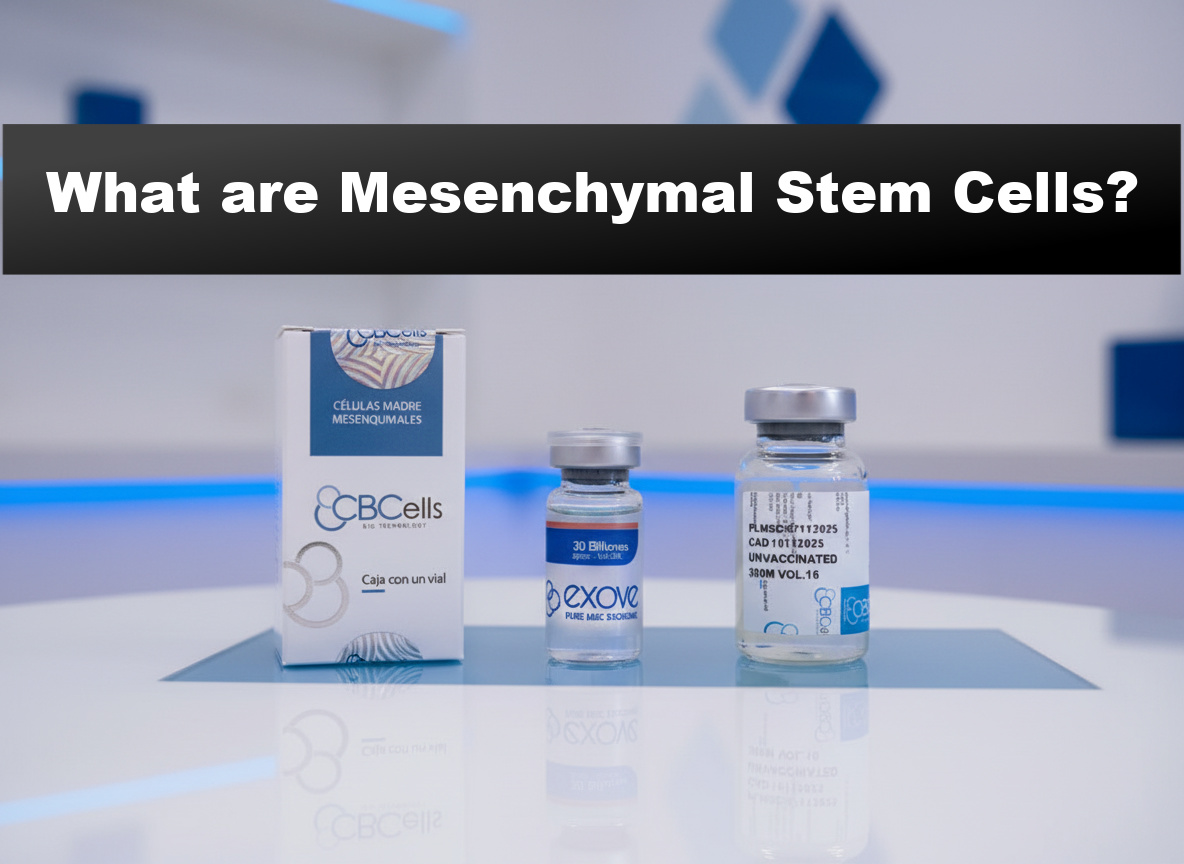
Mesenchymal Stem Cells (MSCs): What They Are, What They Do, and Why People Pursue Treatment
Mesenchymal stem cells (often called MSCs) are a type of adult stem cell that has become one of the most talked-about tools in regenerative medicine. People are interested in MSCs because they don’t just “turn into” other cells—they also send powerful signals that can help calm inflammation and support the body’s natural repair processes.
This article explains what mesenchymal stem cells are, what they do, and why some people choose to pursue MSC-based treatments.
What Are Mesenchymal Stem Cells?
Mesenchymal stem cells are multipotent cells, meaning they can develop into a limited range of cell types. MSCs are commonly found in tissues such as:
- Bone marrow
- Fat (adipose) tissue
- Umbilical cord tissue (including Wharton’s jelly)
- Dental tissue and other connective tissues
MSCs are part of the body’s built-in repair system. In normal life, they help maintain and repair connective tissues and support healing after injury.
“Stem Cell” vs. “Signaling Cell”
A common misunderstanding is that MSCs work mainly by replacing damaged cells. While MSCs can differentiate into certain cell types (like bone, cartilage, and fat cells), many researchers believe their biggest impact comes from what they secrete—a mix of growth factors, cytokines, and other signaling molecules.
In other words, MSCs often act like a “repair coordinator,” influencing the local environment and helping the body shift from inflammation and damage toward recovery.
What Is the Purpose of Mesenchymal Stem Cells?
The overall purpose of MSCs in the body is to support tissue health and repair. They do this in several key ways.
1) Supporting Tissue Repair
MSCs can contribute to repair by:
- Helping regulate the healing response
- Supporting formation of new blood vessels (angiogenesis) in some contexts
- Encouraging local cells to recover and function better
This is one reason MSCs are studied for injuries involving joints, tendons, ligaments, and other connective tissues.
2) Modulating Inflammation
Inflammation is a normal part of healing, but chronic inflammation can damage tissues and worsen many conditions. MSCs are known for their immunomodulatory effects, meaning they can influence immune activity.
Depending on the situation, MSCs may help:
- Reduce excessive inflammatory signaling n- Shift immune cells toward a more balanced response
- Support a healthier tissue environment
This is why MSCs are frequently discussed in relation to autoimmune and inflammatory conditions, though research and real-world use vary widely by country and clinic.

3) Communicating Through Secreted Factors (and Exosomes)
MSCs release a wide range of biologically active molecules. One area of growing interest is exosomes, tiny vesicles that carry signals (proteins, lipids, and genetic material) between cells.
Some clinics and research groups focus on MSC-derived products (like exosomes) because they may deliver some of the “messaging” benefits without using whole cells. The science is still evolving, and quality standards can vary.
4) Supporting Regeneration in Complex Systems
Many people think of MSCs only for joints or aesthetics, but MSC research also touches broader systems such as:
- Cardiovascular support (heart and blood vessels)
- Neurologic recovery and inflammation
- Metabolic and immune system regulation
It’s important to note that “support” does not automatically mean “cure.” Outcomes depend on diagnosis, severity, overall health, protocol quality, and many other factors.
Common Areas of Interest for MSCs
People pursue MSC-related therapies for different reasons. Some of the most common areas of interest include:
- Joint discomfort and mobility issues
- Sports injuries and recovery support
- Chronic inflammation concerns
- Immune system balance
- Post-illness recovery and general wellness goals
- Skin and aesthetic rejuvenation (in certain settings)
The level of evidence differs by condition. Some uses have stronger clinical research than others, and regulations vary widely across countries.
Why People Pursue Treatment With Mesenchymal Stem Cells
There isn’t one single reason people look into MSC treatment. Most people pursue it because they want better function, less inflammation, and improved quality of life, especially when standard approaches haven’t given the results they hoped for.
1) They Want a Regenerative Approach
Traditional care often focuses on symptom management—pain relief, inflammation control, or slowing progression. Many people are drawn to MSCs because they are associated with repair and regeneration, not just symptom suppression.
2) They Have Ongoing Issues Despite Conventional Care
Some people explore MSC therapy after trying options like:
- Physical therapy
- Lifestyle changes
- Medications
- Injections (such as corticosteroids)
- Surgery (or the desire to avoid surgery)
For these individuals, MSC therapy can feel like a “next step” to explore.
3) They’re Focused on Inflammation and Recovery
Because MSCs are linked to immune modulation, people with chronic inflammation concerns often become interested. Others pursue MSCs to support recovery after major health events, hoping to improve energy, function, or overall resilience.
4) They Want Personalized, High-Touch Care
In many clinics, MSC treatment is paired with supportive protocols such as:
- Lab work and health screening
- Nutrition and recovery planning
- IV therapies and hydration support
- Follow-up monitoring
For some patients, the appeal is not only the cells themselves, but the full, structured approach.

What a Responsible MSC Treatment Conversation Should Include
If someone is considering mesenchymal stem cell treatment, a responsible clinic or provider should be willing to discuss:
- Where the cells come from (source tissue)
- Quality and safety testing (sterility, identity, viability)
- How the product is handled and stored
- The delivery method (IV, local injection, etc.) and why
- Realistic expectations and what outcomes are likely vs. uncertain
- Potential risks and side effects
- Who should not receive treatment (contraindications)
MSCs are promising, but they are not magic. The best results usually come when treatment is paired with strong fundamentals: sleep, nutrition, movement, stress management, and appropriate medical oversight.
Final Thoughts
Mesenchymal stem cells are a fascinating part of modern regenerative medicine. They are valued not only because they can become certain tissue types, but because they can influence healing through powerful signaling and immune-modulating effects.
People pursue MSC treatment for many reasons—joint support, inflammation management, recovery goals, and overall quality of life—especially when they want an approach that goes beyond symptom control.
If you’re exploring MSC therapy, focus on safety, transparency, and realistic expectations. The quality of the clinic, the protocol, and the follow-up plan can matter just as much as the treatment itself. Book a call today.
Read Randy Hilarski’s story about how mesenchymal stem cells and exosomes helped repair his heart after heart failure and kidney issues.