
Why Mesenchymal Stem Cells Are Being Studied for Congestive Heart Failure and Heart Disease
Congestive heart failure (CHF) and heart disease are still some of the biggest health challenges worldwide. Even with modern medications, stents, bypass surgery, and implantable devices, many people continue to struggle with fatigue, shortness of breath, swelling, exercise intolerance, and repeated hospital visits.
That’s one reason researchers have been exploring regenerative approaches—especially mesenchymal stem cells (MSCs). MSCs are not a “magic fix,” and they are not appropriate for every patient. But they are being studied because they may help the heart and blood vessels in ways that go beyond symptom control.
This article explains, in plain language, why MSCs are being researched and used in some settings for CHF and heart disease, what scientists think they do, how they’re delivered, what outcomes researchers measure, and what risks and limitations matter.Stem cells are being used for a wide range of injuries like back pain as well.
Quick refresher: what happens in heart failure and heart disease?
Heart disease (coronary artery disease)
In many cases, “heart disease” refers to coronary artery disease, where plaque buildup narrows the arteries that supply the heart muscle. Reduced blood flow can cause:
- Chest pain (angina)
- Shortness of breath
- Reduced exercise capacity
- Heart attacks (myocardial infarction) when a vessel becomes blocked
A heart attack can permanently damage heart muscle.
Congestive heart failure (CHF)
Heart failure means the heart can’t pump enough blood to meet the body’s needs. It can involve:
- Reduced pumping strength (often called HFrEF)
- Stiffness and poor filling (often called HFpEF)
Common symptoms include swelling, fatigue, shortness of breath, and poor tolerance for activity.
In both heart disease and CHF, a big problem is that heart muscle has limited natural ability to regenerate after injury. Scar tissue can replace healthy muscle, and the heart can remodel in a way that worsens function over time.
What are mesenchymal stem cells (MSCs)?
MSCs are a type of adult stem/stromal cell found in several tissues. They are most commonly sourced from:
- Bone marrow
- Adipose (fat) tissue
- Umbilical cord tissue (Wharton’s jelly)
MSCs are known for three key traits that make them interesting for heart-related research:
- Paracrine signaling: They release a wide range of signaling molecules (growth factors, cytokines, extracellular vesicles/exosomes) that can influence healing.
- Immune modulation: They can interact with immune cells and may reduce harmful inflammation.
- Support for repair environments: They may help create conditions that support blood vessel growth and tissue recovery.
Important nuance: In most heart studies, MSCs are not expected to “turn into new heart muscle” in large numbers. The leading theory is that their benefits come mainly from signaling and immune effects, not from becoming cardiomyocytes.
Why MSCs are being studied for CHF and heart disease
1) They may reduce damaging inflammation
After a heart attack or ongoing ischemia (low oxygen), the body triggers inflammation to clear damaged tissue. That’s necessary—but too much inflammation, or inflammation that lasts too long, can:
- Increase scarring
- Worsen remodeling
- Damage surrounding healthy tissue
MSCs are studied because they may help shift the immune response toward a more balanced, pro-repair state. Researchers look at changes in inflammatory markers and immune cell behavior after MSC therapy.
2) They may support new blood vessel growth (angiogenesis)
A heart with poor blood flow needs better microcirculation. MSCs release growth factors that have been associated with:
- Angiogenesis (new capillary formation)
- Improved endothelial function (health of the vessel lining)
In practical terms, the goal is to help the heart muscle get more oxygen and nutrients—especially in areas that are “hibernating” (still alive but under-perfused).
3) They may reduce scar expansion and improve remodeling
When heart tissue is injured, scar tissue forms. Scar tissue doesn’t contract like muscle. Over time, the heart can enlarge and change shape (remodel), which can worsen heart failure.
MSCs are being explored because their signaling may:
- Reduce fibrosis (excess scar formation)
- Improve extracellular matrix balance
- Support healthier remodeling patterns
Researchers measure remodeling using imaging—especially echocardiography and cardiac MRI.
4) They may improve heart muscle function indirectly
Even if MSCs don’t become new heart muscle, they may help existing heart cells function better by improving the environment around them:
- Less inflammatory stress
- Better oxygen delivery
- Improved mitochondrial function signals (under investigation)
In studies, this can show up as improvements in:
- Ejection fraction (EF) in some patients
- Stroke volume
- Exercise capacity
- Symptoms and quality of life
5) They may support tissue survival after ischemic injury
After a heart attack, there’s a border zone around the damaged area where cells are stressed but not dead. MSC signaling may support cell survival pathways in that zone.
This is one reason timing matters in research: some studies look at MSCs relatively soon after injury, while others focus on chronic heart failure.
6) They may help with microvascular dysfunction and endothelial health
Not all heart disease is a simple “blocked artery” problem. Some patients have microvascular dysfunction—small vessels that don’t dilate properly.
MSCs are studied for their potential effects on:
- Endothelial function
- Nitric oxide signaling pathways
- Vascular inflammation
These areas are still evolving, but they’re part of why MSCs remain interesting in cardiology research.
How MSC therapy is typically delivered in heart-related studies
Delivery method matters because it affects where cells go and how long they persist.
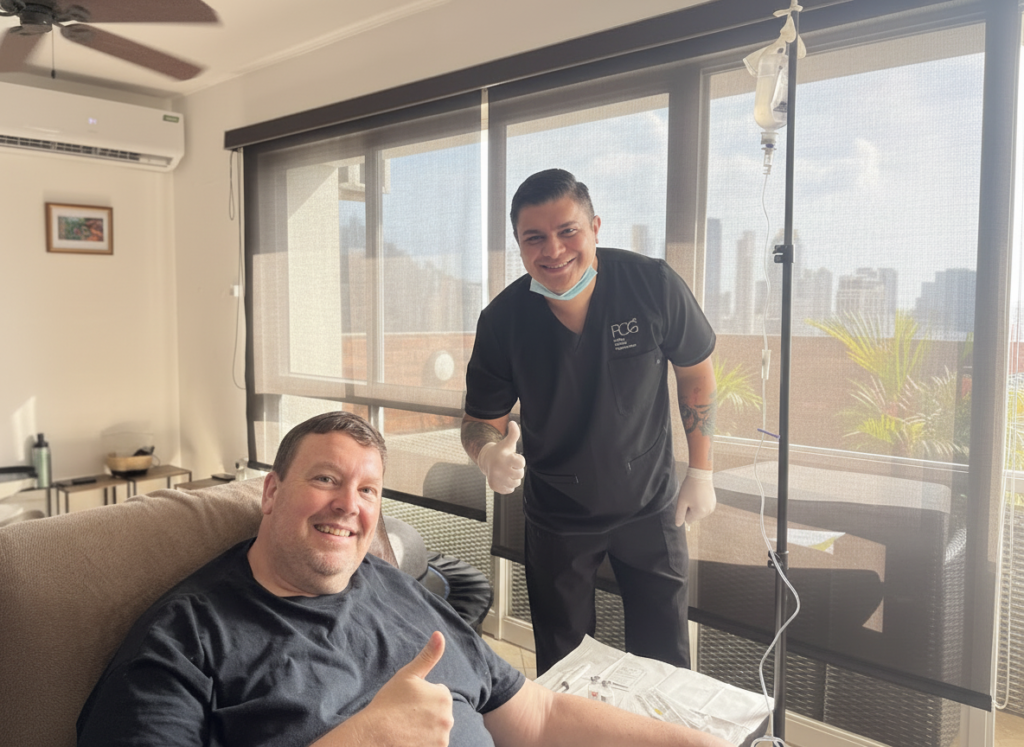
Intravenous (IV)
IV delivery is the simplest, but many cells can get trapped in the lungs (the “first-pass” effect). Some researchers still study IV because systemic immune modulation may matter.
Intracoronary
Cells are infused through coronary arteries, aiming to deliver them closer to heart tissue.
Intramyocardial
Cells are injected directly into the heart muscle (sometimes during a procedure). This can improve local delivery but is more invasive.
Different studies use different routes, doses, and cell preparations, which is one reason results can vary.
What outcomes researchers look for
In CHF and heart disease research, the most meaningful outcomes include:
- Symptoms: shortness of breath, fatigue, swelling
- Functional capacity: 6-minute walk test, VO2 max in some studies
- Quality of life scores: standardized questionnaires
- Heart function: ejection fraction, ventricular volumes
- Hospitalizations: frequency and time to first hospitalization
- Biomarkers: BNP/NT-proBNP, inflammatory markers
- Imaging: scar size, perfusion, remodeling patterns
A key point: even if EF doesn’t change dramatically, improvements in exercise tolerance and quality of life can still be meaningful.
Why results can be mixed (and why that’s normal in this field)
Stem cell therapy for the heart has produced a range of results across studies. That doesn’t automatically mean it “doesn’t work”—it often means the field is still learning what variables matter most.
Major variables include:
- Cell source (bone marrow vs adipose vs cord)
- Autologous vs allogeneic (your own cells vs donor cells)
- Cell quality and viability
- Dose and frequency
- Delivery route
- Patient selection (severity, type of heart failure, time since heart attack)
- Concomitant therapies (medications, devices, rehab)
Heart failure is not one disease—it’s a syndrome with many causes. A therapy may help one subgroup more than another.
Potential risks and side effects (high-level)
Any procedure or biologic therapy has risks. In research and clinical settings, potential concerns include:
- Procedure-related risks (especially for intracoronary or intramyocardial delivery)
- Immune reactions (more relevant with donor cells, though MSCs are often described as “immune-privileged” or “immune-evasive,” not completely invisible)
- Infection risk (from handling, injection, or immunologic effects)
- Arrhythmias (heart rhythm issues—monitored in trials)
- Clotting/embolism risk (rare but monitored)
It’s also important to separate real evidence from marketing. Claims like “guaranteed heart regeneration” should be treated as red flags.
How MSCs compare to other regenerative approaches
MSCs are one branch of regenerative cardiology. Other approaches include:
- Cardiac progenitor cells (research)
- Induced pluripotent stem cell (iPSC) derived cardiomyocytes (research)
- Gene therapy approaches (research)
- Exosomes/extracellular vesicles (cell-free signaling approach)
MSCs remain popular because they are relatively practical to manufacture and because their immune and signaling effects are broad.
Why some clinics use MSCs for heart conditions
Outside of academic trials, some clinics offer MSC-based therapies for heart-related conditions. The reasons patients pursue these options often include:
- They feel they’ve exhausted standard options
- They want improved quality of life and stamina
- They are trying to reduce progression risk
- They are motivated by early research and anecdotal reports
If someone is considering treatment, it’s reasonable to ask:
- What is the cell source and processing method?
- Is there third-party testing and sterility validation?
- What delivery route is used and why?
- What outcomes are tracked (EF, BNP, 6-minute walk, imaging)?
- What are the realistic expectations and the risk management plan?
Bottom line
Mesenchymal stem cells are being studied for congestive heart failure and heart disease because they may help the heart through immune modulation, anti-inflammatory signaling, support for blood vessel growth, and healthier remodeling after injury.
They are not a guaranteed cure, and results can vary based on patient type, delivery method, and cell preparation. But the scientific interest is strong because MSCs target several of the core problems in heart failure at once: inflammation, poor perfusion, and progressive tissue dysfunction.
If you want, tell me whether your audience is (1) general readers, (2) patients exploring options, or (3) clinicians/advanced biohackers, and I can tailor the tone and add a simple FAQ section at the end.
Educational content only; not medical advice.